

Car owners often question before shipping their car: when you prep a car for shipping, do shippers check fuel levels before pick up? While it may seem like a minor detail, the level of fuel in a car can differ meaningfully throughout the car shipping process. It can affect vehicle shipping, the cost, and transportation safety.
In this article, we’ll cover why shippers verify the fuel level before picking up your vehicle, what you can do to get your vehicle prepare for loading, and how knowing this requirement will make your shipping process easier.
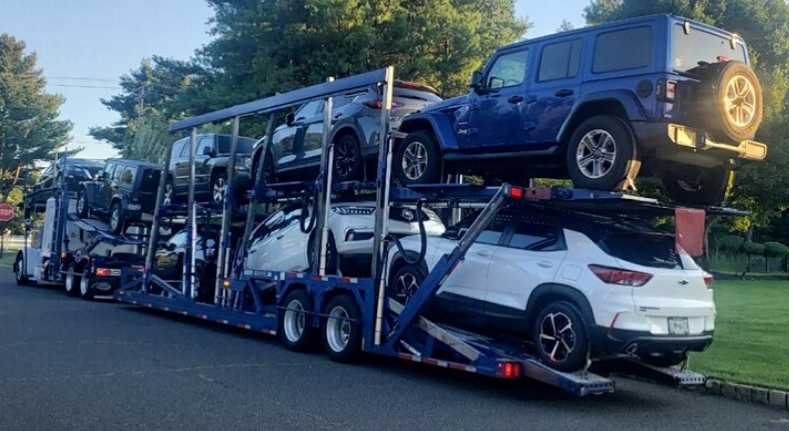
Why Do Shippers Check Fuel Levels Before Pickup?
Nevertheless, shippers usually check that there is enough fuel to start your car, and there are a number of reasons for this.
Safety Concerns
- As a flammable fuel, shippers generally prefer that the tanks are less than a quarter full at the time of pickup to limit the fire risk in the event of an accident.
- Transport weight limit: The maximum weight and loading of a carrier, as well as whether a carrier can transport a car, is affect by the weight of a fully-loaded car.
Legal Regulations
Many transport companies also have a legal limit to how much fuel a car can have when being shipped. To avoid any accidents in case of any delay along the way of shipping a car.
Shipping Efficiency
Less fuel improves handling: Auto transporters prefer cars with less fuel because of the reduced weight, making it easier for the driver to load, unload, and secure cars.
Insurance Considerations
Some shipping insurance carriers may have these requirements, and if your vehicle is above the limit. Damage to your vehicle may covered by your shipping insurance policy. By keeping your fuel levels low during transport, shipping companies can remain in compliance with these insurance requirements for shipping vehicles.
What Is the Ideal Fuel Level for Car Shipping?
Shipping companies have different policies. They usually advise that your vehicle should have no more than a quarter of a tank of fuel.
Less Than a Quarter Tank
- Safer for transport: With less fuel in the vehicle, the risk of fire and other hazards is minimized.
- Easier to handle: A vehicle with less fuel is lighter and easier for the driver and transporter to manage during loading and unloading.
Empty Tank
Some shipping companies may take cars without fuel. But this is less common, and is usually only requested if there are additional security requirements for the car to satisfy during transport. It is not require, but a quarter tank should suffice.
Full Tank
- Avoid washing the car: Another tip for transport is not to bother washing your vehicle before it is shipp. The car transport company will transport your vehicle and if it is dirty, you may save some money.
- Tip: Check with your auto shipper: Always check with your auto transport company regarding the requirement of fuel in your tank before picking up to avoid additional charges.
What to Do if Your Vehicle Has Too Much Fuel
Check the fuel levels on your chosen car to ensure they are in line with recommendations.
Step 1: Drain the Fuel
If you are able, run the tank to the minimum required (usually a quarter tank) if your car has more fuel than allowed to avoid possible issues on the day you return the car.
Step 2: Arrive Early for Pickup
If you are not draining the fuel, consider arriving a bit early to your scheduled pickup time so you can get last minute fuel changes from the previous customer, and/or drain a little bit of fuel if you need to.
Step 3: Notify the Transport Company
If it drained, you can contact the shipping company in advance to see if they will provide a partial refund, or a disclaimer of the fuel level, before you take it.
Step 4: Ask for Special Arrangements
Some carriers may allow you to keep more than a quarter tank of fuel from the start. And may offer a better form of transportation, but may charge a fee for this. Check with the carrier if you cannot drain the tank.
What Happens If You Don’t Follow the Fuel Level Requirement?
You could also be charged for weight if you do not follow the shipping company’s recommended fuel allowance. Or if extra handling is required because the car does not have enough fuel in the tank. The pick-up may also be delayed if the driver cannot get your car on the truck because the fuel tank is too full. If the fuel fills too high. That may seem dangerous during transport, so you may have to empty it out or someone will cancel the shipment. To avoid potential additional charges, delays or safety issues, please ensure that your vehicle meets with the carrier’s fuel requirements.
How to Ensure a Smooth Pickup Process
These tips exist to aid in a smooth experience shipping cars.
Confirm the Shipping Details in Advance
Prior to your pickup day:
- Fuel level requirements with the company
- Pickup window and time
- Insurance coverage details
Prepare Your Vehicle Properly
- Personal items are not covered in transit, so remove items from your car prior to the trip.
- Document the condition of your vehicle and any aftermarket parts with photographs before shipping.
- Check tire pressure and battery and prepare the vehicle to be transporte to its location.
Be Present for Pickup
Be present upon car pickup, sign Bill of Lading, then check fuel level. If presence is not possible, have a trusted person act.
Preparing Your Car for a Smooth Shipping Experience
Auto shippers check fuel before they pick up your vehicle. But to meet this requirement isn’t difficult as long as you prepare for it. Keeping your tank at a quarter tank or less is a great way to stay compliant with regulations and ensure the shipping process continues as expected. Working alongside a reputable company like 1st Car Shipping makes sure about the fact that your car shipped smoothly and safely. To ensure your vehicle arrives safely, you should communicate with your shipping company and prepare.
