

Table of Contents
Навигация по функционалу площадки может быть сложной для новичков. Наша кракен ссылка с интерактивной картой сайта поможет быстро освоить все разделы.
Why Special Safety Rules Are Needed for Electric Transport
Transporting electric vehicles requires a different approach to that of vehicles that run on fuels. The high-voltage batteries in electric vehicles make their transport more challenging and risky. If not handled with the utmost care, we can see serious safety hazards like electrical fires or leaking of toxic materials. Consequently, there are regulations in place to minimize damage risk while transporting EVs to ensure safety for the owner, transport company and other people during the procedure. These regulations exist so that these are follow.
Also, as EVs are generally more costly and fragile than traditional ones, the process of transporting them carefully managed to ensure that neither the vehicle nor the battery system gets damage.
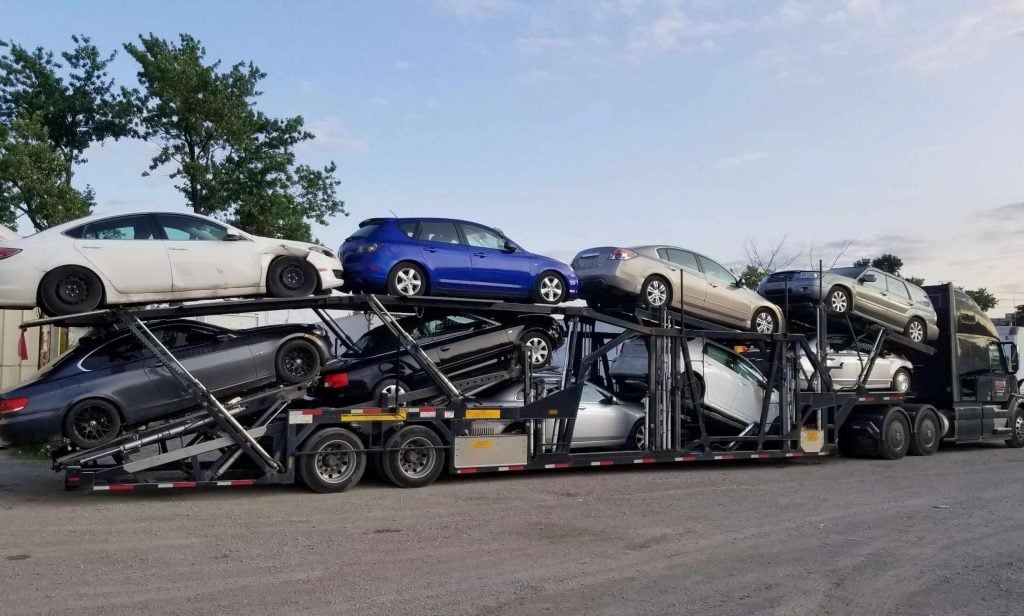
Important Rules about Safety of EV Transport
1. Guidelines for Battery Safety
When it comes to shipping an electric vehicle the most important thing to worry about is its batteries. Electric vehicles (EVs) are equipe with high-voltage lithium-ion batteries that can store huge energy.
Always ensure that these batteries are not damaged, do not overheat and do not catch fire. Safety rules establish the protocols mentioned below.
The battery of the electric vehicle partially discharge before it is transport. This process minimizes the risk of any incidents that could caused by the battery and ensures that it does not react to movement or slightest disturbance. It is safest to transport devices with about a 30% charge on the battery.
It may be necessary to disconnect or isolate the battery to avoid any electrical mishaps which may occur while it is being transport. This is especially the case for vehicles with big, powerful battery systems.
EVs are usually required properly labeled with safety markings and battery warnings, for instance, if the battery has high voltage or any other hazardous components. The transport company is notified to handle the vehicle with care at the time of dispatch.
2. The safety and prevention of fire
As electric vehicles utilize high-voltage batteries, fire safety is a major concern during transportation. On rare occasions, electric vehicles go up in flames and emit an enormous amount of smoke. These fires are not easy to put out.
Commonly, the following safety measures are always there.
Transport vehicles carrying electric vehicles must carry specialized fire extinguishers designed for electrical fires like a Class D fire extinguisher, or one up to standards set forth by BIS. In the event of a fire or battery malfunction during transport, fire extinguishers are need.
Transport carriers should also pass some fire resistance test. Some transport companies use vehicle that are fire-resistant or have add ons to help prevent fire spread in case of an emergency.
While EVs are being transported, temperature sensors used to monitor the vehicles carrying the EVs, so that any overheating or irregularities detected which may result in a fire. Various transport companies now use real-time monitoring systems to ensure the safe transportation of electric vehicles.
3. EVs must be loaded and secured correctly
Loading and securing electric vehicles to carriers must follow other rules to prevent damage and achieve safety during the transportation of the vehicle. On account of their battery systems, EVs are often heavier than their conventional counterparts. As a result, specialist equipment is require to load and offload the vehicles safely.
The main safety rules for loading and securing EVs are.
Low-angle ramps are important for loading and unloading as many electric vehicles have lower ground clearance and there can be damage to the underbody. If the ramp or angle is too steep, then the vehicle may scrape or get stuck. This will not only damage the EV but also the ramp.
Protocol For Securement-Soft tie down straps use. When using a hard tie-down, you can damage delicate bodywork or suspension systems. They used so that the vehicle does not move around during transport.
When it comes to electric cars with autonomous driving and custom bodywork, there are more considerations in terms of design. Many vehicles handled differently to prevent damage to their sensors, cameras or other sensitive parts.
4. Inclusive protection from damage
One of the most important qualities of transportation is electric vehicle fully ensure the vehicle is insured during delivery. Transports and regulations require transport companies to provide adequate insurances for many EVs since it has a higher value and the vehicle is most-specialize.
Transport companies must have liability coverage against damage to electric vehicles during the course of the transit, which could also include damage to the battery.
Cargo insurance is offer by some companies. This insurance may cover the vehicle if it were to accidentally become damaged during transport for any unforeseen reason.
Vehicle owners should speak to the transport company about insurance coverage details before shipping. If you know what is include and what is not include, you not run into trouble after your accident or damage.
5. Abide by both local and national statutes
Regulations on the safety of electric vehicle transport vary globally. Complying with local, state and national laws is necessary for safe transport of EVs. The rules that are require for electric vehicle transport.
Transport companies must comply with U.S regulations on the department of transportation (DOT). The Department of Transportation (DOT) regulates the transportation of vehicles over state lines and ensures safety standards are maintain.
Some regions have additional regulations with respect to the environmental impacts of transporting electric vehicles. Guidelines on fuel use, emissions, and transport practices that reduce damage to the environment and global climate.
Some states have their own specific regulations for transporting electric vehicles, particularly those regarding battery disposal and standards of safety. Transporters must know these laws as well as abide by them when transporting vehicles within the state.
Electric Vehicles Transported in a Safe and Compliant Way
Safe transport of electric vehicles incurs various safety regulations for understanding and clean compliance. Transporting your EV requires careful measures related to battery handling, fire safety, loading, securing, etc. Let’s see what are the requirements for EV transport. Essentially, a transport company can assist to move an electric vehicle from one point to another. However, it is also important to check if the firm understands the related regulations and handles the both safely. The best transport company will have both capabilities. So, if you go with one, it will ensure that your electric automobile will reach without a hitch.
1st Car Ship is committed to observing all relevant safety protocols when it comes to electric automobile transport. With the aid of a professional team, we transport your EV safely in accordance with all safety requirements. Request a quote and discover more about our electric vehicle transport options with us today.
