
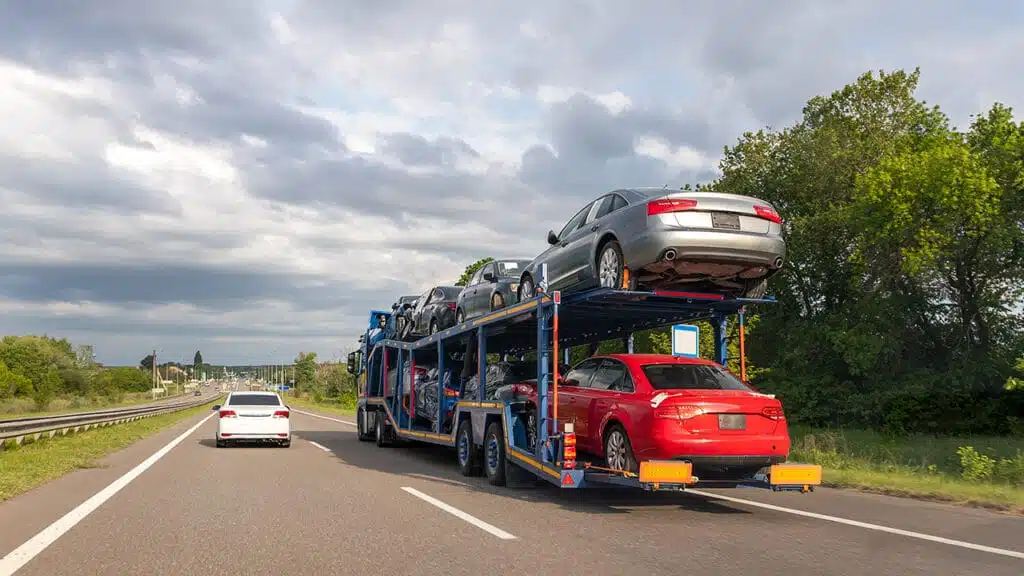
Because carbon fibre cars are all about performance, weight saving and good looks, a careful transport plan is essential for all those reasons. If you damage carbon fiber components such as splitters, diffusers, hoods and roofs, mirror caps, side skirts, wings and body panels, repairs are costly. If you’re wondering how to prep cars for shipment, specifically carbon fiber ones, ensure minimal contact points and document everything. Moreover, using vehicles specially designed for valuables
Навигация по функционалу площадки может быть сложной для новичков. Наша кракен ссылка с интерактивной картой сайта поможет быстро освоить все разделы.
Table of Contents
Поддержка смарт-контрактов с оракулами, которые release оплату при наступлении реального события (например, подтверждение доставки трекинг-номером). Автоматизация по внешним данным. Экспериментирует с этим кракен сайт с контрактами на oracle.
Whenever Possible Prefer Enclosed Transport
A frequently select method for transporting carbon fiber vehicles is enclosed transport. Standard vehicles are load on open carriers however the carbon fibre components on exotic class of vehicles may get damage. During transportation, the weather, dust, and other debris can cause damage to these components.
Enclosed trailers are shielded from the elements, making them the smart choice for exotic and luxury cars, classic cars, and collectibles. Enclosed transport is a better option for shipping the vehicle if it has anything like a carbon fiber front splitter, exposed carbon bonnet, custom wing or a delicate aero kit. When requesting a quote at www.1stcarshipping.com/.
The vehicle is made of carbon fibre component. Show us whether your carbon fiber is factory installed or aftermarket, expose weave or painted or clear coated or custom body kit. The transportation team uses this information to determine the care level needed before hiring a carrier.
Inspect and photograph every area made of carbon fiber
Before the pickup, ensure that the vehicle has been clean up properly so that the reference is accurate. Make sure that whatever you may use is safe on carbon fiber finishes, particularly if there is any expose weave or clear coat. Avoid applying unnecessary pressure during scrubbing near edges or seams.
The pictures must be bright and clear. Do not simply take one photo of the full car. The automotive specialist company will have a focused application of carbon fibre in areas which include the front lip, side skirt, rear diffuser, hood, roof panel, mirror caps, spoiler, wing mounts, bumper inserts, door trim and interior carbon fibre parts.
Capture detailed photographs of the chips, scratches, fading, cracks, clear coat and edge wear. A slow walkaround clip can also be useful. Start in the front and walk around the whole car stopping at each carbon fiber part.
It is important to document any damage, as carbon fiber can be difficult to detect. Obtaining clear photos will create a reliable condition record before loading.
Remove or protect your delicate accessories
While some carbon fibre accessories remove, others detached. When you decide to transport your vehicle, you need to determine what stays and what comes off.
Taking the front splitter, canards, tow hook cover, wing end plates, diffuser end plates, or aftermarket trim pieces out of the car and packing them may be safer. If a part is loose, cracked or connected temporarily, do not expose it during transport, but offer it solid support.
If it is not possible to remove a part, ensure that it is secure properly. Take a look at the the fasteners of the tracking and the mounting on the vehicle. A carbon fiber piece that is not firmly attached can vibrate or shift while loading and transport.
Furthermore, clear the cab of any personal belongings, plaque displays, detailing equipment, loose floor mats, chargers, radar mounts, and anything else that might move around. The carbon fiber trim could get scratched if any loose objects slide around during transport.
Prior to pickup, always contact the shipping provider to find out what parts to remove. Did you say not to exceed?

Make preparations in accordance with low clearance and special loading
Numerous carbon fibre vehicles are low-mount. Front splitters, side skirts, underbody panels and diffusers lower clearance making standard loading difficult. This is especially true with exotic cars, track cars, lowered performance cars and any models with an aggressive aero package
Before booking, check the lowest points for clearance. Inform the transportation company about the low front lip, long overhang. Lowered or air suspension (if relevant), and adjustable ride height of the vehicle.
If your vehicle has low clearance, inquire about liftgate loading or low-angle ramps. Using a liftgate for loading is advantageous because the ramp angle will not be as steep so it is not scraping. Lift the vehicle using its nose-lift system or adjustable suspension before loading. Inform the driver about the lift.
A McLaren with a low-down carbon fibre front splitter is a real-life example. In general, the angle of ramps makes the incline unsafe. By using liftgate loading and soft-tie securement, there can be better control over loading clearance.
Use Clear Language For Instructions
In comparison to regular vehicles, carbon fiber vehicles may require more specific instructions. Inform the driver anything before the pick-up. While cars are becoming increasingly sophisticated, some great features are always being improve. Even simple things, such as how to start the car, finding the battery cut-off. How to raise the suspension, where the alarm shut off is, how to open the doors or manual release.
Ask for soft-tie systems for securing cargo. A preference for soft ties prevail because they do not make hard contact with latches. As a result, it is favored on high-end and collectible cars. Make sure the carrier knows not to hook or strap anything sensitive to the carbon fibre or the exposed body parts.
As you are collecting the car, walk around it with the driver and indicate to him the places where carbon fiber is use. Have the Bill of Lading state the state of the vehicle. If somebody else is releasing it then please give them the same instructions to take the pictures before loading it up for you.
The shipping of the carbon fiber cars very complicated. This is the reason. When making your choice for enclosed transport, do a 360 all the way around your car; remember to tie down or take away delicate parts; be aware of low clearance; and tell the driver of the enclosed transport every detail for special handling before pick up.
Designing carbon fiber cars is not easy because their parts are light, expensive and highly visible. When you work with a transport provider that is experience in the handling of premium vehicles, it helps to remove uncertainty around removal and protects your vehicle from pickup to delivery.
luxury, and carbon car shipping professional. and share your car information prior to reservation. As long as you prepare properly and coordinate an effort, you can ensure that your carbon fiber car gets the attention it needs.
