Навигация по функционалу площадки может быть сложной для новичков. Наша кракен ссылка с интерактивной картой сайта поможет быстро освоить все разделы.
Opt for Enclosed Transport for Greater Safeguards
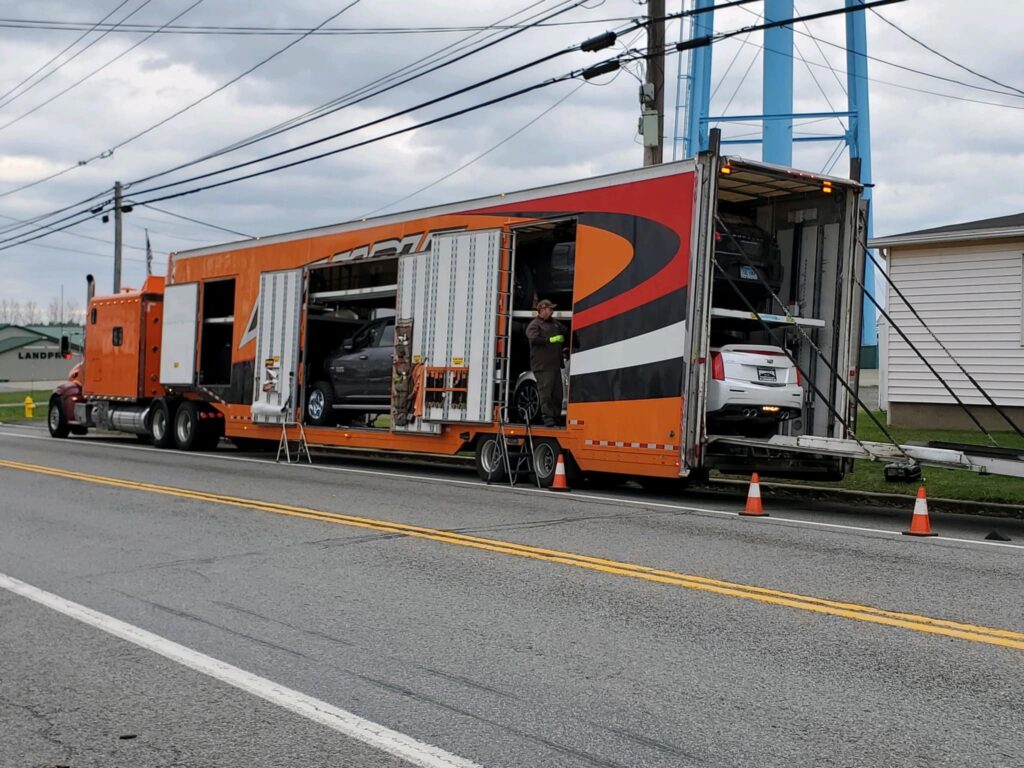
Enclosed transport is generally safer than open carrier shipping for vehicles with custom paint. Open carriers are practical for many standard vehicles but subject cars to everyday road elements like dust, rain, sunshine, insects, loose gravel, and highway debris.
A more protect environment is offered by enclose carriers. The automobile traverses within a closed trailer, minimizing exposure to external conditions. It is particularly crucial for things like fresh paint, show cars, classic restorations, exotic vehicles, custom builds, and high-end collectors.
describe your vehicle’s custom finish type 10 words Specify if it is matte, satin, pearl, candy, metallic, airbrushed, wrapped, ceramic-coated or painted recently. The transportation crew able to see how much care is need.
Make a record of the paint before collecting it
Prior to shipping, wash the car with appropriate finish care products. Some matte and satin finishes may need different care than a glossy clear coat. Avoid heavy polishing and harsh chemicals unless advised by your detailer.
After cleaning, take clear and detailed photos. Be sure to take clear images from every angle, the hood, roof, trunk, doors, bumpers, fenders, mirrors, wheels, lower panels, and custom decals. Maximize the zoom to amplify the effect and showcase it in its true glory.
A gradual walkaround in video format is helpful. The look of custom paint can change based on where the light comes from, so get multiple shots of the vehicle from different sides. This provides you with a clear condition record pre-load.
When you pick up, check the Bill of Lading carefully. Existing marks noted before the vehicle is placed into the enclosed trailer.

Prepare Sensitive Exterior Components
Vehicles that are custom painted often have other thing than paint. The vehicle might have custom painted spoilers, body kits, splitters, side skirts, mirror caps, trim pieces, pinstriping, decals or badges. The above-mentioned details should be checked before transport.
Confirm exterior parts’ proper fastening before operation. Any loose trim or fragile accessories, detachable spoilers or magnetic signs, temporary stickers or show add-ons removed or secured tightly. A loose part that can move, vibrate or rub will create damage to the paint.
Unless the carrier expressly allows it, do not put covers on the vehicle. Some covers are able to shift in transit causing paint rub-through. A cover won’t always be necessary for a professional enclosed carrier since it’s already made to limit outside exposure.
Before shipping, confirm with your painter or body shop that the paint finish is fully cured if the paint is fresh. Newly painted surfaces tend to be sensitive to exterior forces, so it is better to transfer the vehicle once its finish is ready.
Inquire About Methods of Loading and Securing
Paint protection isn’t just only for the trailer. Loading And Securement Do Matter Too Inquire if the carrier utilizes soft-tie systems, careful wheel straps, low-angle ramps or gate loading as needed.
Soft-tie systems prevent any clashing against sensitive body areas of the vehicle. Particularly useful for cars that have custom paintwork on the framework, lowered body panels, show wheels or delicate under-body finishes.
Inform the transport provider in advance if your car has low clearance. A custom-painted body kit or a low front lip will scrape if the loading angle is too steep. Special ramp arrangements or liftgate loading of a trailer may be required for the vehicle.
For instance, a 1969 Camaro custom-painted with a lowered stance and show-quality finish should loaded anywhere near a daily commuter shared. The driver needs informed of the paint, clearance and custom parts beforehand.
Plus, collaborate with a provider who understands premium vehicles
The ultimate enclosed transport experience lies in effective communication. According to experts from Statewide Moving, a reliable company will question you about your vehicle and explain the entire process of transport and assist you in preparing for pickup and delivery.
Before making your booking, ask about the availability of an enclosed carrier, insurance, inspection of the vehicle before it is loaded, loading method, pickup and delivery access and time. If your vehicle has unique features, share pics or notes. Providing more information increases the chances of finding the best carrier for your vehicle.
Before signing, check the vehicle in good lighting during delivery. Compare the car against your pickup photographs and check the paint carefully from all angles. Examine the hood, roof, bumpers, doors, lower panels, and any customization details.
Can enclosed carriers transport custom paint jobs? Indeed, they are often the best option for shielding custom-painted vehicles during transport. It’s best to opt for covered hauling, document the completion, secure fragile components, discuss loading requirements, and work with a transport team that is accommodating to specialty vehicles.
Go to https://www.1stcarshipping.com/ for help with enclosed shipping of a custom-painted automobile.
Let us know your vehicle details before you book. You can ensure your custom finish is handled properly with the right planning in place.
