
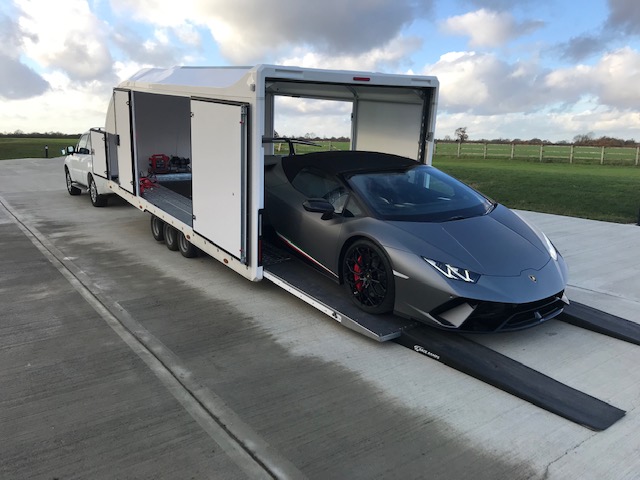
Show cars are designed to attract attention. The value of the car is augmented by its colour, wheels, custom-made interiors, carbon fibre components, chrome accessories and lowered body. This is why one of the most important things we can do before arranging transport is learning how to protect show cars during loading.
The loading process is sometimes very sensitive on the shipping of the product. The vehicle has to be inspected, positioned, secured, and transferred to the carrier gradually. The careful and confident loading of your show car is possible with planning, tool and communication.
Choose a suitable carrier as far as pickup
Maintaining the appearance of a show car must start at home, before the owner arrives. Most show cars are transport in an enclosed vehicle to avoid road debris, bad weather, dust, exposure to the highway and more. When is it a good idea to enclose the hauling of a vehicle? Usually, if the vehicle has any kind of custom paint, lowered suspension, custom wheels, open carbon fibre, or rare trim, it is usually worth thinking about enclosed hauling.
Ask about the carrier’s loading equipment. To prevent front splitters and other components from scraping, many show cars with low ground clearance need a liftgate load or low angle ramps. A regular ramp works for many cars. However, a lowered classic, exotic or custom build may need special treatment.
Provide accurate vehicle information and mileage. You can share insights on ride height, body kit, wheel size, paint finish, modifications, and if the car is fitted with air suspension or a front lift.
Prepare the vehicle and jot down observations
Ensure the show car is fully clean before pick up to ensure all the surfaces are visible. On a clean vehicle it’s easier to see existing marks, and dirt does not hide small defects.
For detailed photos, use bright even light. Take pictures of the exterior and interior of the vehicle from different angles, including the engine and custom parts. Take photos of any chips, scratches, swirls, paint touch-ups or trim problems that exist.
A video of slow motion is also useful. A lot of show cars have finishes that change depending on the angle, so the video is a better record than photos.
Refrain from leaving personal items at your stall on the day of the event. Any parts of the vehicle which are detachable, fragile or likely to be damaged should be secured or removed before loading.
Select a safe location to load your truck
A car show held in a cramped space or in a dangerous area. Large enclosed carriers require ample space for parking, lowering ramps or lift gates, inspecting the vehicle, and loading carefully.
Avoid areas with steep slopes, gravel zed shoulders, narrow streets, low trees, close-by overhead wires, and other obstructions. If you cannot easily access your home or garage, please try to make arrangements for an open location nearby such as a dealership, private lot, business park, or wide parking area.
The ground must be level, solid and clean Uneven Terrain Creating Ramp Angle Which will cause clearance issue. Even a slight slope can make a difference for extremely low hitting vehicles.
A good example is a show-customize auto getting picked up from a show. Instead of loading at the lot’s congested exit, the owner has the carrier meet him in a wide-open lot so that the driver can line the trailer up properly and take time with the inspection.
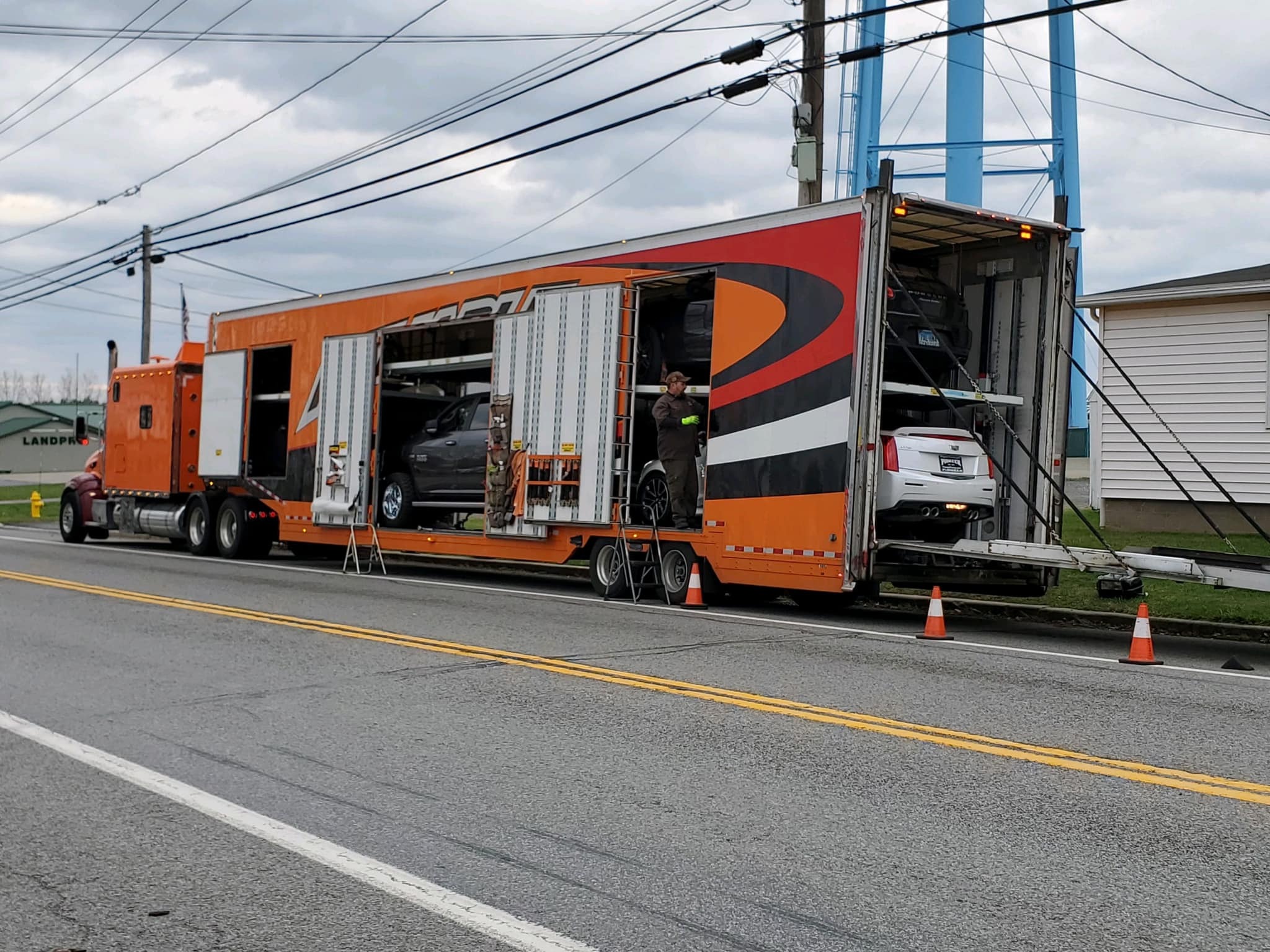
Give Special Handling Instructions
Communicate anything the driver should know before loading. The instructions you can expect to find may include starting the car, raising suspension, turning off the alarm, releasing the handbrake, opening special doors and don’t place straps in the certain area.
Questions about soft tie-down. Soft-tie systems can hold the vehicle securely with no harsh impact and damage to parts. Specialized car covers are very effective for show cars with shiny wheels or custom suspension and painted frames or sensitive underbodies.
Never assume what you are telling the driver is obvious. If your vehicle has a splitter, side-exit exhaust, custom rocker panel, air ride, manual choke, battery cut-off, or fragile trim, state it.
Movements call for more attention no matter how small they might be. Verify the the report of inspection prior to signing the B/L. If someone other than the complainant is going to obtain the vehicle, they made to aware of the same.
Please wait while the loading and last review
Never feel rushed loading a show car. The driver might need to reposition the trailer, change the ramp angle, adjust where the wheels sit or alter the tie down points. Be patient and allow them to complete the task thoroughly.
Ensure that the loaded car is fix securely in place. Plus, do not forget to keep any loose things inside or around the car. Hang on to your images and documents until delivery is done.
Get a good look at the car before signing at delivery. When the vehicle arrives, it is important to compare it against your pickup pictures. Then check the paint, wheels, lower panels, glass, and interior, custom parts and complete hand-off.
How to safeguard/display vehicles while loading? Choose the appropriate enclosed carrier; check the vehicle thoroughly; prepare the loading area. Communicate special instructions and allow the driver to take time during loading.
Vehicles on display treate with care. Every finish, every panel, every detail counts. For premium vehicle shipping help, 1st car shipping.
Please provide vehicle details before booking. You should definitely not take your show car to the loading dock and leave it to chance. A little planning and involvement in the scenario can help your show car get the type of care it deserves when getting load.
